Le 29 septembre 2026, 13h:00 - 14h:00
Each month, the IHU SEPSIS invites a leading researcher to present their work on sepsis.

🎤 Raphaël Rodriguez (Institut Curie, France)
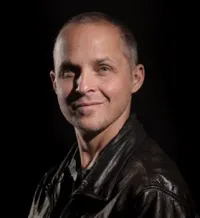
Raphaël Rodriguez is a Research Director at the CNRS and a Principal Investigator at Institut Curie where he holds the Skłodowska-Curie Chair of Chemical Biology. He acquired the knowledge of chemistry and biology from several mentors in the United Kingdom. He leads the Biomedicine Laboratory at Institut Curie and investigates the molecular basis of cancer metastasis. Together with lab co-workers, they discovered the role of iron as a driver of cell adaptation and cell death. He has received a few accolades including the CNRS Silver Medal, the Liliane Bettencourt Prize for Life Sciences, the Klaus Grohe Prize, the Tetrahedron Young Investigator Award and the Charles Defforey Prize. He is a Fellow of the Royal Society of Chemistry and a Knight of the National Order of Merit.
💬 Chemical control of cell adaptation
Cells can adopt distinct states independently of genetic alterations, a biological process commonly referred to as ‘cell-state transition’. Acquisition of distinct cell states is characterized by the upregulation of the plasma membrane glycoprotein CD44 in development, immunity and cancer. Although often described as a cell-surface marker, the molecular function of CD44 has remained elusive for half-a-century. We found that CD44 mediates the uptake of specific metals, including copper and iron using hyaluronate carriers in various tissue types. This glycan-mediated metal endocytosis mechanism enables immune cell activation and acquisition of a drug-tolerant state of cancer cells (cell adaptation). Increase of copper(II) in mitochondria sustains NAD(H) redox cycling, promoting the production of metabolites that co-regulate the epigenetic programming of cell identity. In contrast, increase of iron in the cell nucleus fuels the activity of specific iron- and ketoglutarate-dependent demethylases, enabling specific transcriptional programs. We developed new classes of small molecules that selectively interfere with these metal-catalyzed chemical processes in cells. Inactivating mitochondrial copper(II) prevents acute inflammation in vivo demonstrating that control of cell-state transition confers therapeutic benefits. Pharmacological activation of lysosomal iron, on the other hand, induces ferroptosis in drug-tolerant persister cancer cells, impacting tumor progression. These findings illuminate a universal metal ion uptake mechanism and the critical role of metal ions as regulators of cell adaptation, paving the way towards the development of next generation therapeutics.