Ne manquez pas les prochains webinaires organisés dans le cadre de la série "The International Sepsis Lecture".
Avec le soutien de :
Programme Septembre - Novembre 2026
🎤 Raphaël Rodriguez (Institut Curie, France)
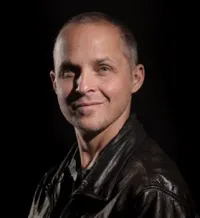
Raphaël Rodriguez is a Research Director at the CNRS and a Principal Investigator at Institut Curie where he holds the Skłodowska-Curie Chair of Chemical Biology. He acquired the knowledge of chemistry and biology from several mentors in the United Kingdom. He leads the Biomedicine Laboratory at Institut Curie and investigates the molecular basis of cancer metastasis. Together with lab co-workers, they discovered the role of iron as a driver of cell adaptation and cell death. He has received a few accolades including the CNRS Silver Medal, the Liliane Bettencourt Prize for Life Sciences, the Klaus Grohe Prize, the Tetrahedron Young Investigator Award and the Charles Defforey Prize. He is a Fellow of the Royal Society of Chemistry and a Knight of the National Order of Merit.
💬 Chemical control of cell adaptation
Cells can adopt distinct states independently of genetic alterations, a biological process commonly referred to as ‘cell-state transition’. Acquisition of distinct cell states is characterized by the upregulation of the plasma membrane glycoprotein CD44 in development, immunity and cancer. Although often described as a cell-surface marker, the molecular function of CD44 has remained elusive for half-a-century. We found that CD44 mediates the uptake of specific metals, including copper and iron using hyaluronate carriers in various tissue types. This glycan-mediated metal endocytosis mechanism enables immune cell activation and acquisition of a drug-tolerant state of cancer cells (cell adaptation). Increase of copper(II) in mitochondria sustains NAD(H) redox cycling, promoting the production of metabolites that co-regulate the epigenetic programming of cell identity. In contrast, increase of iron in the cell nucleus fuels the activity of specific iron- and ketoglutarate-dependent demethylases, enabling specific transcriptional programs. We developed new classes of small molecules that selectively interfere with these metal-catalyzed chemical processes in cells. Inactivating mitochondrial copper(II) prevents acute inflammation in vivo demonstrating that control of cell-state transition confers therapeutic benefits. Pharmacological activation of lysosomal iron, on the other hand, induces ferroptosis in drug-tolerant persister cancer cells, impacting tumor progression. These findings illuminate a universal metal ion uptake mechanism and the critical role of metal ions as regulators of cell adaptation, paving the way towards the development of next generation therapeutics.
📺 YouTube livestream
🎤 Marcin Osuchowski (Ludwig Boltzmann Institute for Traumatology, Austria)
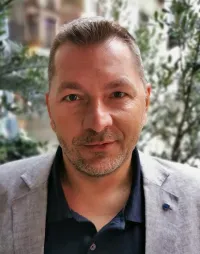
Marcin Osuchowski is Head of Sepsis-Trauma-Shock (S-T-S) Research, LBI Traumatology, in Vienna, Austria. He served as President of the European Shock Society from 2021 to 2023 and is a member of the European Society of Intensive Care Medicine (ESICM).
💬 MQTiPSS 2.0 expert consensus guidelines for pre-clinical sepsis: yet another hurdle or realistic quality improvement?
This talk will present a seven-year status update on the Minimum Quality Threshold in Pre-Clinical Sepsis Studies (MQTiPSS) initiative at the 12th Wiggers-Bernard Conference. Citation data and trends across original sepsis research papers (2018-2025) will be reviewed, along with patterns in model selection. The talk will introduce the roadmap toward MQTiPSS 2.0, its newly introduced elements, rationale of the revised items and a simplified "Essential 10" checklist for easy use. The talk will discuss guidelines compliance, enforcement strategies and potential long-term gains.
📺 YouTube livestream
🎤 Niranjan 'Tex' Kissoon (University of British Columbia, Canada)

Professor Niranjan “Tex” Kissoon, MB BS, FRCP(C), FCCM, FACPE, is the University of British Columbia BC Children’s Hospital (UBC BCCH) Endowed Chair in Acute and Critical Care Global Health. He is a Professor in the Department of Pediatrics (Pediatrics and Surgery, Emergency Medicine) at the University of British Columbia in Vancouver, BC. Prof. Kissoon is the Past President of the World Federation of Pediatric Critical and Intensive Care Societies (www.wfpiccs.org) and currently serves as President of the Global Sepsis Alliance (global-sepsis-alliance.org). He is Co-Chair of the Pediatric Surviving Sepsis Campaign and Vice-President of the Canadian Sepsis Foundation. He also serves on the Advisory Boards of Sepsis Alliance USA and the African Sepsis Alliance, chairs World Sepsis Day and the International Pediatric Sepsis Initiative and is a founding member of the Caribbean Sepsis Alliance. Prof. Kissoon has been recognized globally for his outstanding contributions to pediatric critical care and sepsis advocacy. He is a recipient of the American Academy of Pediatrics Distinguished Career Award. In 2018, he received the University of British Columbia Outstanding Academic Performance Award and the “Giving Back: Advancing Medical Excellence” Distinguished Service Award from the University of the West Indies Medical Alumni Association Canadian Chapter, in recognition of his exceptional service in national and international pediatric critical care. In 2020, he was awarded the Drs. Vidyasagar and Nagamani Dharmapuri Award for sustained exemplary and pioneering achievements in the care of critically ill and injured infants and children globally. In 2023, he received the Distinguished Alumni Award and was conferred an Honorary Doctorate (DSc) in 2025 by the University of the West Indies.
💬 Making Sepsis A Success Story in Global Health: A Rejuvenated Agenda
This lecture outlines the epidemiology and disproportionate burden of sepsis globally and the role of poverty and the social determinants of health in sepsis. The gains in addressing sepsis in the past decades and our role in addressing sepsis. The session will also outline the ongoing efforts to make sepsis the next triumph in global health.
📺 YouTube livestream